






-

-
-
-
-
-
-
-
-
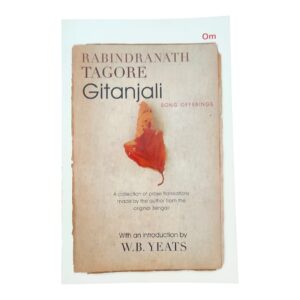
Rabindranath Tagore Gitanjali
₹150.00“Gitanjali” is a collection of spiritual poems that explore themes of love, devotion, and the search for the divine. The poems are deeply rooted in Indian spirituality and culture, yet transcend geographical and cultural boundaries. Through his lyrical and symbolic language, Tagore expresses a profound sense of longing and connection with the ultimate reality, often using imagery from nature to convey spiritual experiences. The poems are characterized by their simplicity, depth, and universality, making “Gitanjali” a beloved and enduring work of literature.
In his introduction, W.B. Yeats praised Tagore’s poetry for its beauty, simplicity, and spiritual depth, introducing Indian literature to a wider Western audience. “Gitanjali” won the Nobel Prize in Literature in 1913, marking a significant milestone in Indian literary history.
-
-
Ekta Book House

30
Shopping Cart(30)
-
 EARTH'S WONDERS
Qty: 1₹195.00
EARTH'S WONDERS
Qty: 1₹195.00 -
The Glory of Nepal a biography of Bangdel
Qty: 1₹350.00
-
A handbook of Siddhicharan's Verse
Qty: 1₹44.00
-
300 FANTASTIC FACTS, EARTH
Qty: 1₹399.00
-
Julius Caesar
Qty: 1₹75.00
-
Learn ICT, Writing Programs
Qty: 1₹60.00
-
Headway English Book 4
Qty: 2₹160.00
-
Pegasus Encyclopedia, AFRICA
Qty: 1₹150.00
-
Overcoming Back and Neck Pain
Qty: 1₹175.00
-
ENERGY for LIFE, Energy Transfer
Qty: 1₹85.00
-
100 Facts PREHISTORIC LIFE
Qty: 1₹225.00
-
Self Healing the Natural guide to Good Health
Qty: 1₹395.00
-
A Day With Marconi
Qty: 1₹60.00
-
The Great Big Book of Stories to Share.
Qty: 1₹595.00
-
Level 2 NEED SOME HELP READING
Qty: 1₹1,899.00
-
A day With Galileo
Qty: 1₹60.00
-
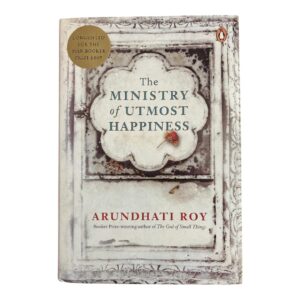
The Ministry of Utmost Happiness
Qty: 1₹599.00
-
A Yak in the Fridge
Qty: 1₹450.00
-
SEAS AND OCEANS
Qty: 1₹150.00
-
Dare to be Different
Qty: 1₹70.00
-
London
Qty: 1₹150.00
-
Five Steps to Bed
Qty: 1₹499.00
-
Indra Sundas byakti ra kriti
Qty: 1₹300.00
-
Bhanu Bimarsa
Qty: 1₹650.00
-
USBORNE BEGINNERS Armour
Qty: 1₹150.00
-
Great Emperors, Kings & Rulers Julius Caesar
Qty: 1₹75.00
-
Mindfulness on the Run
Qty: 1₹350.00
-
The Portrait of St. Paul
Qty: 1₹150.00
-
Ragat ko Karar
Qty: 1₹100.00
Total:
₹8,780.00
30
Shopping Cart(30)
-
EARTH'S WONDERS
Qty: 1₹195.00
-
The Glory of Nepal a biography of Bangdel
Qty: 1₹350.00
-
A handbook of Siddhicharan's Verse
Qty: 1₹44.00
-
300 FANTASTIC FACTS, EARTH
Qty: 1₹399.00
-
Julius Caesar
Qty: 1₹75.00
-
Learn ICT, Writing Programs
Qty: 1₹60.00
-
Headway English Book 4
Qty: 2₹160.00
-
Pegasus Encyclopedia, AFRICA
Qty: 1₹150.00
-
Overcoming Back and Neck Pain
Qty: 1₹175.00
-
ENERGY for LIFE, Energy Transfer
Qty: 1₹85.00
-
100 Facts PREHISTORIC LIFE
Qty: 1₹225.00
-
Self Healing the Natural guide to Good Health
Qty: 1₹395.00
-
A Day With Marconi
Qty: 1₹60.00
-
The Great Big Book of Stories to Share.
Qty: 1₹595.00
-
Level 2 NEED SOME HELP READING
Qty: 1₹1,899.00
-
A day With Galileo
Qty: 1₹60.00
-
The Ministry of Utmost Happiness
Qty: 1₹599.00
-
A Yak in the Fridge
Qty: 1₹450.00
-
SEAS AND OCEANS
Qty: 1₹150.00
-
Dare to be Different
Qty: 1₹70.00
-
London
Qty: 1₹150.00
-
Five Steps to Bed
Qty: 1₹499.00
-
Indra Sundas byakti ra kriti
Qty: 1₹300.00
-
Bhanu Bimarsa
Qty: 1₹650.00
-
USBORNE BEGINNERS Armour
Qty: 1₹150.00
-
Great Emperors, Kings & Rulers Julius Caesar
Qty: 1₹75.00
-
Mindfulness on the Run
Qty: 1₹350.00
-
The Portrait of St. Paul
Qty: 1₹150.00
-
Ragat ko Karar
Qty: 1₹100.00
Total:
₹8,780.00