

-

-
-
-
-
-
-
-
-
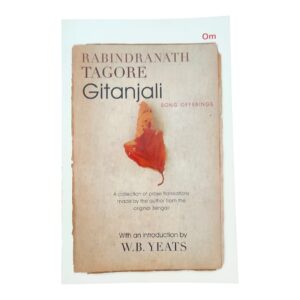
Rabindranath Tagore Gitanjali
₹150.00“Gitanjali” is a collection of spiritual poems that explore themes of love, devotion, and the search for the divine. The poems are deeply rooted in Indian spirituality and culture, yet transcend geographical and cultural boundaries. Through his lyrical and symbolic language, Tagore expresses a profound sense of longing and connection with the ultimate reality, often using imagery from nature to convey spiritual experiences. The poems are characterized by their simplicity, depth, and universality, making “Gitanjali” a beloved and enduring work of literature.
In his introduction, W.B. Yeats praised Tagore’s poetry for its beauty, simplicity, and spiritual depth, introducing Indian literature to a wider Western audience. “Gitanjali” won the Nobel Prize in Literature in 1913, marking a significant milestone in Indian literary history.
-
-
Ekta Book House

20
Shopping Cart(20)
-
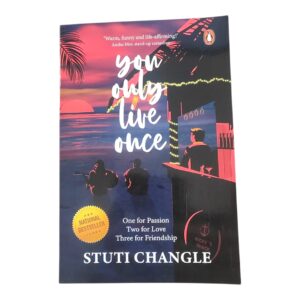
 You Only Live Once
Qty: 1₹299.00
You Only Live Once
Qty: 1₹299.00 -
Yoga for school children
Qty: 1₹295.00
-
Selected stories by Rudyard Kipling
Qty: 1₹140.00
-
Apawitra Ragat
Qty: 1₹230.00
-
THE WORLD WE LIVE IN
Qty: 1₹160.00
-
Junior Fun with Science
Qty: 1₹295.00
-
The best of Quiz Contest
Qty: 1₹176.00
-
Squiggle Takes a Walk al about Punctuation
Qty: 1₹150.00
-
THRILL SEEKERS
Qty: 1₹195.00
-
WHAT ABOUT THE UNIVERSE ?
Qty: 1₹150.00
-
Melodies of Muglan
Qty: 1₹349.00
-
Selected stories by Honore De Balzac
Qty: 1₹140.00
-
100 Facts SEASHORE
Qty: 1₹225.00
-
Leading with emotional intelligence
Qty: 1₹199.00
-
Infinity's JUNIOR ENCYCLOPEDIA
Qty: 1₹450.00
-
How to Enjoy Your Life and Your Job
Qty: 1₹195.00
-
Age 5-8 The Lion, The Cock @ The Donkey
Qty: 1₹50.00
-
I Can Read! Monster School the spooky sleepover
Qty: 1₹199.00
-
Good Habits Bad Habits
Qty: 1₹599.00
-
Rainforests
Qty: 1₹150.00
Total:
₹4,646.00
20
Shopping Cart(20)
-
You Only Live Once
Qty: 1₹299.00
-
Yoga for school children
Qty: 1₹295.00
-
Selected stories by Rudyard Kipling
Qty: 1₹140.00
-
Apawitra Ragat
Qty: 1₹230.00
-
THE WORLD WE LIVE IN
Qty: 1₹160.00
-
Junior Fun with Science
Qty: 1₹295.00
-
The best of Quiz Contest
Qty: 1₹176.00
-
Squiggle Takes a Walk al about Punctuation
Qty: 1₹150.00
-
THRILL SEEKERS
Qty: 1₹195.00
-
WHAT ABOUT THE UNIVERSE ?
Qty: 1₹150.00
-
Melodies of Muglan
Qty: 1₹349.00
-
Selected stories by Honore De Balzac
Qty: 1₹140.00
-
100 Facts SEASHORE
Qty: 1₹225.00
-
Leading with emotional intelligence
Qty: 1₹199.00
-
Infinity's JUNIOR ENCYCLOPEDIA
Qty: 1₹450.00
-
How to Enjoy Your Life and Your Job
Qty: 1₹195.00
-
Age 5-8 The Lion, The Cock @ The Donkey
Qty: 1₹50.00
-
I Can Read! Monster School the spooky sleepover
Qty: 1₹199.00
-
Good Habits Bad Habits
Qty: 1₹599.00
-
Rainforests
Qty: 1₹150.00
Total:
₹4,646.00