







-

-
-
-
-
-
-
-
-
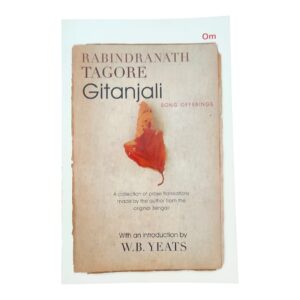
Rabindranath Tagore Gitanjali
₹150.00“Gitanjali” is a collection of spiritual poems that explore themes of love, devotion, and the search for the divine. The poems are deeply rooted in Indian spirituality and culture, yet transcend geographical and cultural boundaries. Through his lyrical and symbolic language, Tagore expresses a profound sense of longing and connection with the ultimate reality, often using imagery from nature to convey spiritual experiences. The poems are characterized by their simplicity, depth, and universality, making “Gitanjali” a beloved and enduring work of literature.
In his introduction, W.B. Yeats praised Tagore’s poetry for its beauty, simplicity, and spiritual depth, introducing Indian literature to a wider Western audience. “Gitanjali” won the Nobel Prize in Literature in 1913, marking a significant milestone in Indian literary history.
-
-
Ekta Book House

27
Shopping Cart(27)
-
 Cats
Qty: 1₹150.00
Cats
Qty: 1₹150.00 -
MY BEST FAIRY TALES & RHYMES
Qty: 1₹120.00
-
The Glory of Nepal a biography of Bangdel
Qty: 1₹350.00
-
Godhuli Sansar
Qty: 1₹225.00
-
Pegasus Encyclopedia, CARBON & ITS COMPOUND, Chemistry
Qty: 2₹150.00
-
Bees and Wasps
Qty: 1₹150.00
-
Selected stories by H. Rider Hagg-Ard
Qty: 1₹140.00
-
Conflict in the Himalayas
Qty: 1₹120.00
-
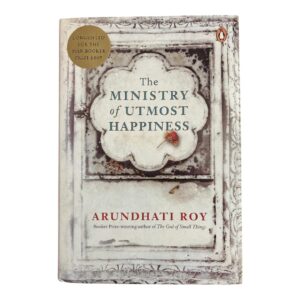
The Ministry of Utmost Happiness
Qty: 1₹599.00
-
hello baby FACES
Qty: 1₹199.00
-
Super Expert Maths Quiz
Qty: 1₹95.00
-
EXTREME HISTORY
Qty: 1₹195.00
-
SEAS AND OCEANS
Qty: 1₹150.00
-
An I Can Read Book Kick, Pass, And Run
Qty: 1₹199.00
-
Self Healing the Natural guide to Good Health
Qty: 1₹395.00
-
Begin Again
Qty: 1₹550.00
-
The Narrow Road to the Deep North
Qty: 1₹959.00
-
100 Facts EXTINCT
Qty: 1₹225.00
-
Tigers
Qty: 1₹150.00
-
SUPER PEGASUS, LEADERS
Qty: 1₹150.00
-
Harry Potter and the Half-Blood Prince
Qty: 1₹699.00
-
Marvel Thor The Mighty
Qty: 1₹150.00
-
Picture Word Book SCHOOL
Qty: 1₹125.00
-
100 Facts SHIPWRECKS
Qty: 1₹225.00
-
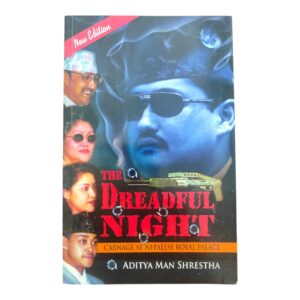
The Dreadful Night carnege at nepalese royal palace
Qty: 1₹230.00
-
Pegasus Encyclopedia Acids, Bases & Salts
Qty: 1₹150.00
Total:
₹7,000.00
27
Shopping Cart(27)
-
Cats
Qty: 1₹150.00
-
MY BEST FAIRY TALES & RHYMES
Qty: 1₹120.00
-
The Glory of Nepal a biography of Bangdel
Qty: 1₹350.00
-
Godhuli Sansar
Qty: 1₹225.00
-
Pegasus Encyclopedia, CARBON & ITS COMPOUND, Chemistry
Qty: 2₹150.00
-
Bees and Wasps
Qty: 1₹150.00
-
Selected stories by H. Rider Hagg-Ard
Qty: 1₹140.00
-
Conflict in the Himalayas
Qty: 1₹120.00
-
The Ministry of Utmost Happiness
Qty: 1₹599.00
-
hello baby FACES
Qty: 1₹199.00
-
Super Expert Maths Quiz
Qty: 1₹95.00
-
EXTREME HISTORY
Qty: 1₹195.00
-
SEAS AND OCEANS
Qty: 1₹150.00
-
An I Can Read Book Kick, Pass, And Run
Qty: 1₹199.00
-
Self Healing the Natural guide to Good Health
Qty: 1₹395.00
-
Begin Again
Qty: 1₹550.00
-
The Narrow Road to the Deep North
Qty: 1₹959.00
-
100 Facts EXTINCT
Qty: 1₹225.00
-
Tigers
Qty: 1₹150.00
-
SUPER PEGASUS, LEADERS
Qty: 1₹150.00
-
Harry Potter and the Half-Blood Prince
Qty: 1₹699.00
-
Marvel Thor The Mighty
Qty: 1₹150.00
-
Picture Word Book SCHOOL
Qty: 1₹125.00
-
100 Facts SHIPWRECKS
Qty: 1₹225.00
-
The Dreadful Night carnege at nepalese royal palace
Qty: 1₹230.00
-
Pegasus Encyclopedia Acids, Bases & Salts
Qty: 1₹150.00
Total:
₹7,000.00