




-

-
-
-
-
-
-
-
-
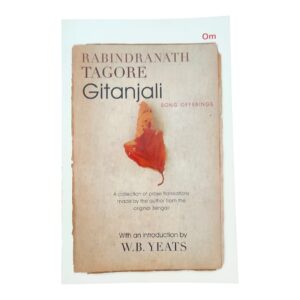
Rabindranath Tagore Gitanjali
₹150.00“Gitanjali” is a collection of spiritual poems that explore themes of love, devotion, and the search for the divine. The poems are deeply rooted in Indian spirituality and culture, yet transcend geographical and cultural boundaries. Through his lyrical and symbolic language, Tagore expresses a profound sense of longing and connection with the ultimate reality, often using imagery from nature to convey spiritual experiences. The poems are characterized by their simplicity, depth, and universality, making “Gitanjali” a beloved and enduring work of literature.
In his introduction, W.B. Yeats praised Tagore’s poetry for its beauty, simplicity, and spiritual depth, introducing Indian literature to a wider Western audience. “Gitanjali” won the Nobel Prize in Literature in 1913, marking a significant milestone in Indian literary history.
-
-
Ekta Book House

20
Shopping Cart(20)
-
 John Wesley
Qty: 1₹150.00
John Wesley
Qty: 1₹150.00 -
Yoga for Health and Relaxtion
Qty: 1₹160.00
-
Decisions for Survival
Qty: 1₹300.00
-
Bubbles' First Storybooks BUBBLE IS GREADY
Qty: 1₹50.00
-
A Treasury of Tales from Daisy Hill Farm
Qty: 1₹185.00
-
A day With Galileo
Qty: 1₹60.00
-
Develop Self-Confidence, Improve Public Speaking
Qty: 1₹195.00
-
Food for Friends
Qty: 1₹395.00
-
Noon ko Chiya
Qty: 1₹450.00
-
The Portrait of St. Paul
Qty: 1₹150.00
-
Fiscal Decentralization in Nepal
Qty: 1₹895.00
-
First Favourite Tales Chicken Licken
Qty: 1₹163.00
-
BOO-BOO- Adventures
Qty: 1₹295.00
-
Dasha Avatar
Qty: 1₹70.00
-
100 Facts PLANT LIFE
Qty: 1₹225.00
-
THRILL SEEKERS
Qty: 1₹195.00
-
Baby's First High Contrast Book Animals
Qty: 1₹199.00
-
Infinity's JUNIOR ENCYCLOPEDIA
Qty: 1₹450.00
-
Parenting your powerful Child
Qty: 1₹175.00
-
SUPER PEGASUS, SPORTS STARS
Qty: 1₹150.00
Total:
₹4,912.00
20
Shopping Cart(20)
-
John Wesley
Qty: 1₹150.00
-
Yoga for Health and Relaxtion
Qty: 1₹160.00
-
Decisions for Survival
Qty: 1₹300.00
-
Bubbles' First Storybooks BUBBLE IS GREADY
Qty: 1₹50.00
-
A Treasury of Tales from Daisy Hill Farm
Qty: 1₹185.00
-
A day With Galileo
Qty: 1₹60.00
-
Develop Self-Confidence, Improve Public Speaking
Qty: 1₹195.00
-
Food for Friends
Qty: 1₹395.00
-
Noon ko Chiya
Qty: 1₹450.00
-
The Portrait of St. Paul
Qty: 1₹150.00
-
Fiscal Decentralization in Nepal
Qty: 1₹895.00
-
First Favourite Tales Chicken Licken
Qty: 1₹163.00
-
BOO-BOO- Adventures
Qty: 1₹295.00
-
Dasha Avatar
Qty: 1₹70.00
-
100 Facts PLANT LIFE
Qty: 1₹225.00
-
THRILL SEEKERS
Qty: 1₹195.00
-
Baby's First High Contrast Book Animals
Qty: 1₹199.00
-
Infinity's JUNIOR ENCYCLOPEDIA
Qty: 1₹450.00
-
Parenting your powerful Child
Qty: 1₹175.00
-
SUPER PEGASUS, SPORTS STARS
Qty: 1₹150.00
Total:
₹4,912.00