

-

-
-
-
-
-
-
-
-
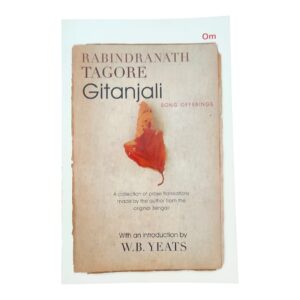
Rabindranath Tagore Gitanjali
₹150.00“Gitanjali” is a collection of spiritual poems that explore themes of love, devotion, and the search for the divine. The poems are deeply rooted in Indian spirituality and culture, yet transcend geographical and cultural boundaries. Through his lyrical and symbolic language, Tagore expresses a profound sense of longing and connection with the ultimate reality, often using imagery from nature to convey spiritual experiences. The poems are characterized by their simplicity, depth, and universality, making “Gitanjali” a beloved and enduring work of literature.
In his introduction, W.B. Yeats praised Tagore’s poetry for its beauty, simplicity, and spiritual depth, introducing Indian literature to a wider Western audience. “Gitanjali” won the Nobel Prize in Literature in 1913, marking a significant milestone in Indian literary history.
-
-
Ekta Book House

20
Shopping Cart(20)
-
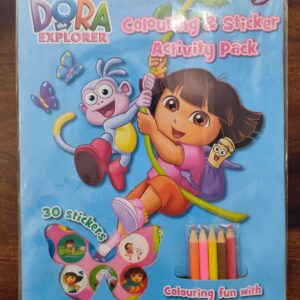
 Dora the Explorer Colouring @ Sticker Activity Pack
Qty: 1₹150.00
Dora the Explorer Colouring @ Sticker Activity Pack
Qty: 1₹150.00 -
NKJV UNAPOLOGETIC STUDY BIBLE
Qty: 1₹3,250.00
-
The Magic School Bus In The Arctic A Book About Heat
Qty: 1₹90.00
-
CHILDREN'S ENCYCLOPEDIA of Questions & Answers
Qty: 1₹395.00
-
Facts & More, Organic way
Qty: 1₹75.00
-
Insight into Perfectionism
Qty: 1₹125.00
-
Pegasus Encyclopedia, BASKETBALL
Qty: 1₹150.00
-
Selected Stories by Sir Arthur Conan Doyle
Qty: 1₹140.00
-
King of the Railway The Movie Storybook
Qty: 1₹299.00
-
Selected stories by Rudyard Kipling
Qty: 1₹140.00
-
An I Can Read Book level 1 what do you hear when cows sing?
Qty: 1₹199.00
-
Picture Word Book THINGS THAT MOVE
Qty: 1₹125.00
-
The Man Who Mistook His Wife for a Hat
Qty: 1₹650.00
-
Time to Get Dressed
Qty: 1₹499.00
-
USBORNE BEGINNERS Spiders
Qty: 1₹150.00
-
An I Can Read Book level 2 Ghosts!
Qty: 1₹199.00
-
Bees and Wasps
Qty: 1₹150.00
-
Pegasus Encyclopedia, FLOODS
Qty: 1₹150.00
-
A Prayer for the Crown-Shy a monk and robot book
Qty: 1₹450.00
-
100 Facts VAMPIRES
Qty: 1₹225.00
Total:
₹7,611.00
20
Shopping Cart(20)
-
Dora the Explorer Colouring @ Sticker Activity Pack
Qty: 1₹150.00
-
NKJV UNAPOLOGETIC STUDY BIBLE
Qty: 1₹3,250.00
-
The Magic School Bus In The Arctic A Book About Heat
Qty: 1₹90.00
-
CHILDREN'S ENCYCLOPEDIA of Questions & Answers
Qty: 1₹395.00
-
Facts & More, Organic way
Qty: 1₹75.00
-
Insight into Perfectionism
Qty: 1₹125.00
-
Pegasus Encyclopedia, BASKETBALL
Qty: 1₹150.00
-
Selected Stories by Sir Arthur Conan Doyle
Qty: 1₹140.00
-
King of the Railway The Movie Storybook
Qty: 1₹299.00
-
Selected stories by Rudyard Kipling
Qty: 1₹140.00
-
An I Can Read Book level 1 what do you hear when cows sing?
Qty: 1₹199.00
-
Picture Word Book THINGS THAT MOVE
Qty: 1₹125.00
-
The Man Who Mistook His Wife for a Hat
Qty: 1₹650.00
-
Time to Get Dressed
Qty: 1₹499.00
-
USBORNE BEGINNERS Spiders
Qty: 1₹150.00
-
An I Can Read Book level 2 Ghosts!
Qty: 1₹199.00
-
Bees and Wasps
Qty: 1₹150.00
-
Pegasus Encyclopedia, FLOODS
Qty: 1₹150.00
-
A Prayer for the Crown-Shy a monk and robot book
Qty: 1₹450.00
-
100 Facts VAMPIRES
Qty: 1₹225.00
Total:
₹7,611.00